ทำความรู้จักอุตสาหกรรมการบินในเอเชีย: ตลาดที่ใหญ่และเติบโตที่สุดในโลกWhy Asia Rules the Skies: A Look at the World's Biggest Aviation Market
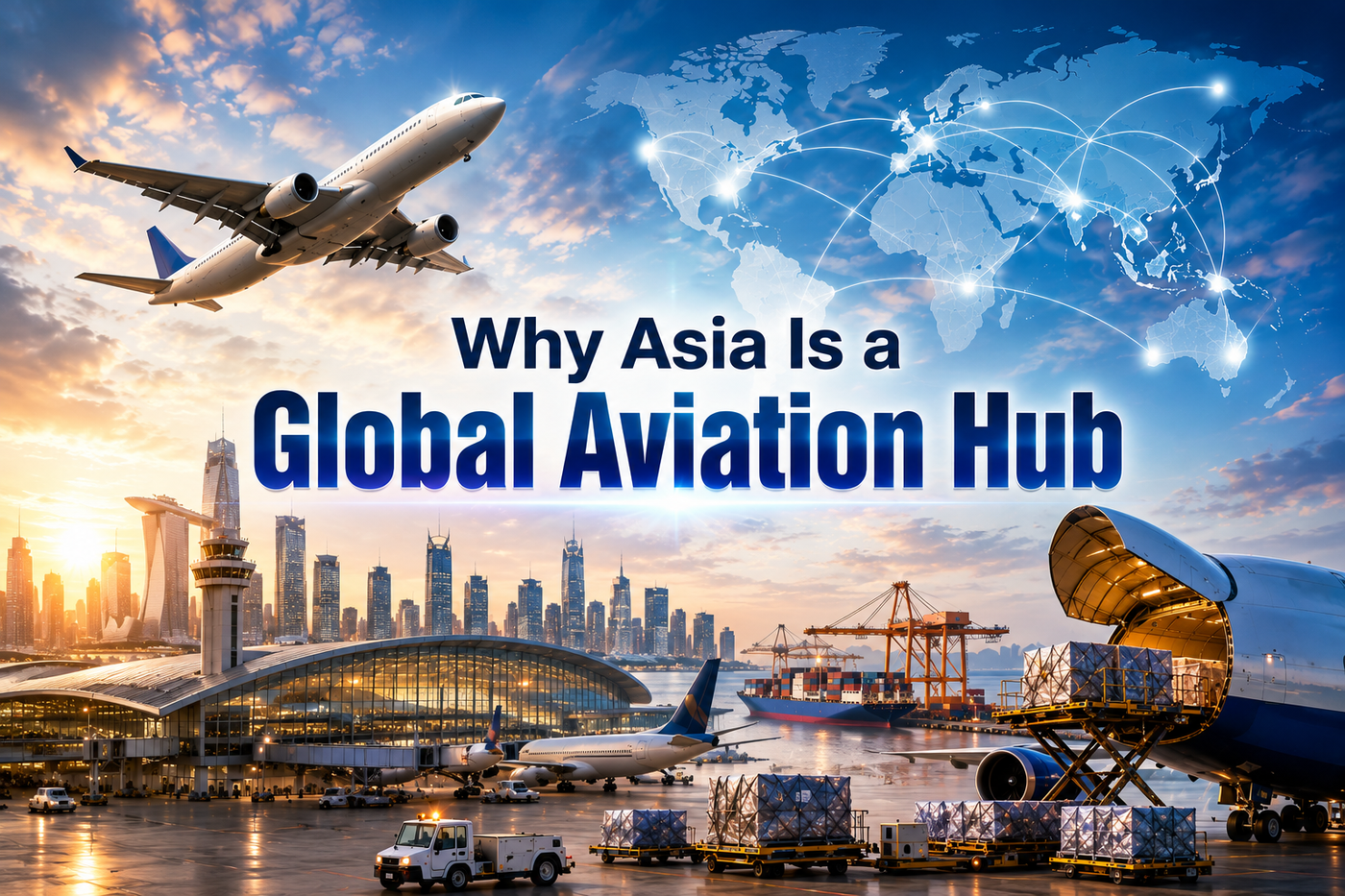
เอเชีย-แปซิฟิกกลายเป็นภูมิภาคการบินที่ใหญ่ที่สุดในโลก ด้วยชนชั้นกลางที่ขยายตัว เศรษฐกิจที่เชื่อมโยงกัน และเครือข่ายการค้าที่พึ่งพาการขนส่งทางอากาศ บทความนี้พาไปดูภาพรวมว่าอะไรขับเคลื่อนอุตสาหกรรมนี้ ใครคือผู้เล่นหลัก และภูมิภาคกำลังเผชิญความท้าทายอะไร
ทำไมเอเชียถึงเป็นศูนย์กลางการบิน
การเติบโตของการบินในเอเชียมาจากหลายปัจจัยที่เสริมกัน ประชากรจำนวนมหาศาลและชนชั้นกลางที่มีกำลังซื้อเพิ่มขึ้นทำให้ความต้องการเดินทางทั้งเพื่อธุรกิจและท่องเที่ยวพุ่งสูง ประกอบกับภูมิศาสตร์ของภูมิภาคที่มีหมู่เกาะและระยะทางไกล ทำให้เครื่องบินมักเป็นทางเลือกที่สมเหตุสมผลที่สุด
นอกจากนี้ เมืองใหญ่หลายแห่งวางตำแหน่งตัวเองเป็นฮับเชื่อมต่อระหว่างทวีป เช่น สิงคโปร์ ฮ่องกง กรุงเทพฯ โดฮา และดูไบ ที่ทำหน้าที่เป็นจุดต่อเครื่องระหว่างยุโรป เอเชีย และออสเตรเลีย
ผู้เล่นหลักในภูมิภาค
อุตสาหกรรมประกอบด้วยสายการบินหลายรูปแบบที่แข่งขันและเติมเต็มกัน:
- สายการบินฟูลเซอร์วิส เช่น Singapore Airlines, Cathay Pacific, ANA, Japan Airlines และ Korean Air ที่เน้นเส้นทางไกลและบริการระดับพรีเมียม
- สายการบินต้นทุนต่ำ (LCC) เช่น AirAsia, Lion Air, VietJet และ Scoot ที่เปิดโอกาสให้คนจำนวนมากเข้าถึงการเดินทางทางอากาศได้
- สนามบินและผู้ให้บริการภาคพื้น ที่ลงทุนขยายเทอร์มินัลและนำเทคโนโลยีมาใช้รองรับผู้โดยสารที่เพิ่มขึ้น
ธุรกิจขนส่งสินค้าทางอากาศ (คาร์โก)
เอเชียเป็นฐานการผลิตสำคัญของโลก ทั้งอิเล็กทรอนิกส์ ชิ้นส่วนยานยนต์ และเซมิคอนดักเตอร์ ทำให้การขนส่งสินค้าทางอากาศเป็นเสาหลักของอุตสาหกรรมการบินในภูมิภาค สินค้ามูลค่าสูงและอ่อนไหวต่อเวลา เช่น ชิปคอมพิวเตอร์และอุปกรณ์ที่เกี่ยวกับ AI มักพึ่งพาการขนส่งทางอากาศ ทำให้คาร์โกมักเป็นแหล่งรายได้ที่มั่นคงแม้ในช่วงที่ผู้โดยสารชะลอตัว
ความท้าทายที่ต้องจับตา
- ความแออัดของน่านฟ้าและสนามบิน เมื่อความต้องการโตเร็วกว่าโครงสร้างพื้นฐาน ทำให้เกิดความล่าช้าและคอขวด
- ราคาน้ำมันและต้นทุนที่ผันผวน ซึ่งกระทบค่าโดยสารและกำไรของสายการบินโดยตรง
- ความไม่แน่นอนทางภูมิรัฐศาสตร์ ที่อาจทำให้บางน่านฟ้าถูกจำกัดหรือต้องปรับเส้นทางบิน
- ความยั่งยืน แรงกดดันให้ลดการปล่อยคาร์บอน ผลักดันการใช้เชื้อเพลิงอากาศยานยั่งยืน (SAF) และฝูงบินที่ประหยัดพลังงานมากขึ้น
อนาคตของการบินในเอเชีย
ภูมิภาคนี้กำลังลงทุนในเทคโนโลยีที่อาจเปลี่ยนโฉมการเดินทาง ตั้งแต่การนำระบบอัตโนมัติและ AI มาช่วยบริหารจราจรทางอากาศและประสบการณ์ในสนามบิน ไปจนถึงแนวคิด "แท็กซี่บินไฟฟ้า" (eVTOL) สำหรับการเดินทางในเมือง ควบคู่กับการปรับฝูงบินให้ทันสมัยและเป็นมิตรกับสิ่งแวดล้อมมากขึ้น
อ้างอิงข้อมูลภูมิภาค: Association of Asia Pacific Airlines (AAPA) Asian Aviation Magazine
Thought processThought process
Here's the article body in English (the evergreen overview):
Why Asia Is a Global Aviation Hub
Asia's aviation growth stems from several reinforcing factors. A vast population and a rising, higher-spending middle class have driven demand for both business and leisure travel. Combined with the region's geography — sprawling archipelagos and long distances — flying is often the most practical option. On top of that, several major cities have positioned themselves as intercontinental connecting hubs, including Singapore, Hong Kong, Bangkok, Doha, and Dubai, which serve as transfer points between Europe, Asia, and Australia.
The Region's Major Players
The industry is made up of several types of airlines that both compete with and complement one another. Full-service carriers such as Singapore Airlines, Cathay Pacific, ANA, Japan Airlines, and Korean Air focus on long-haul routes and premium service. Low-cost carriers (LCCs) like AirAsia, Lion Air, VietJet, and Scoot have opened up air travel to millions of new passengers. Alongside them, airports and ground-service providers are investing in expanded terminals and new technology to handle growing passenger volumes.
Air Cargo Business
Asia is one of the world's key manufacturing bases — for electronics, auto parts, and semiconductors — which makes air cargo a pillar of the region's aviation industry. High-value, time-sensitive goods such as computer chips and AI-related hardware often rely on air freight, so cargo tends to be a steady revenue source even when passenger demand slows.
Challenges to Watch
Several pressures shape the industry's outlook. Airspace and airport congestion emerges when demand grows faster than infrastructure, creating delays and bottlenecks. Volatile fuel prices and costs feed directly into fares and airline profitability. Geopolitical uncertainty can restrict certain airspace or force rerouting. And sustainability pressure to cut carbon emissions is pushing adoption of sustainable aviation fuel (SAF) and more fuel-efficient fleets.
The Future of Aviation in Asia
อ้างอิงข้อมูลภูมิภาค: Association of Asia Pacific Airlines (AAPA) Asian Aviation Magazine